.svg)
SOLAR ECLIPSE 2026
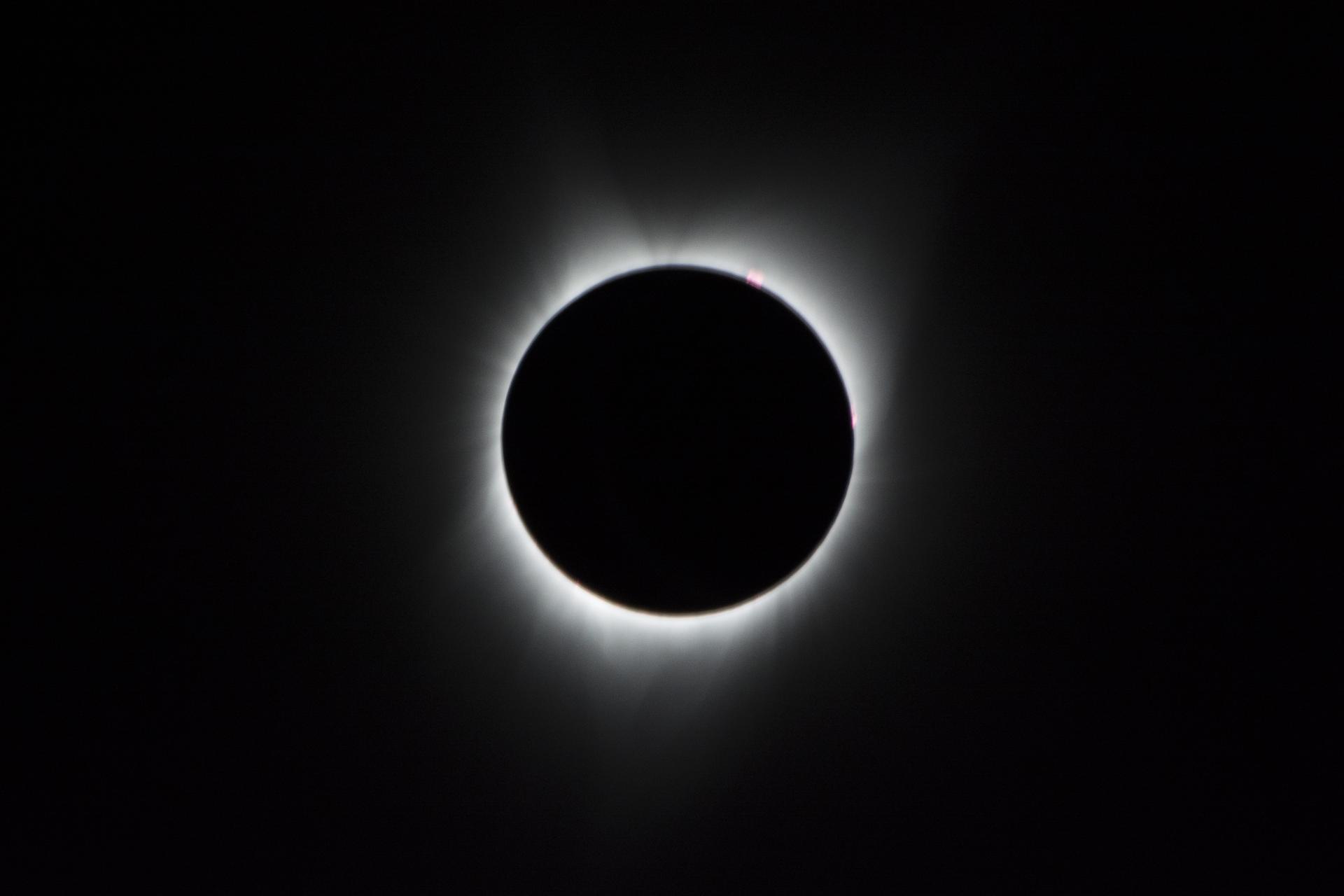
On August 12, 2026, Iceland will witness something extraordinary. The moon's shadow will sweep across the island, plunging western Iceland into darkness for over two minutes. This is Iceland's first total solar eclipse since July 30, 1954, and the next one won't arrive until 2196. That's a 170-year wait between opportunities.
Key Takeaways
This isn't just another eclipse. Iceland's 2026 event represents a once-in-multiple-lifetimes opportunity, with the path of totality crossing some of the island's most dramatic landscapes. According to NASA's eclipse predictions, totality crosses western Iceland on the evening of August 12. The 1954 eclipse drew international scientists to Iceland; the 2026 event will draw hundreds of thousands of visitors — detailed timing for any spot is available on timeanddate.com.
Where you stand determines how much totality you experience. The Westfjords offer the longest viewing window, while Reykjavik barely catches the edge.
The eclipse begins at approximately 17:45 local time, placing the sun low on the western horizon. This afternoon timing creates extraordinary photographic conditions, with the darkened sky contrasting against Iceland's stark volcanic landscapes.
Clear skies are the single biggest variable for eclipse watching, and Iceland's August weather delivers them only 40% of the time, according to historical data from the Icelandic Meteorological Office. That statistic alone should shape your entire eclipse strategy.
Fixed-location viewing is essentially a coin flip. You arrive at your designated spot, hope for clear skies, and accept whatever weather appears. Group bus tours lock you into this gamble because 40+ people can't relocate quickly.
Private tours fundamentally alter the weather equation. With a small group of 4-8 people, your guide can monitor real-time satellite imagery and relocate within 30 minutes if clouds threaten your position.
Location determines your totality duration. The path of totality, where you see the complete eclipse, is roughly 400 kilometers wide but varies in duration across its width.
The remote Westfjords offer the longest totality, over two minutes. Látrabjarg, Europe's westernmost point, provides dramatic cliffs as a backdrop. However, the Westfjords require significant travel time, winding roads, and limited accommodation.
Snaefellsnes Peninsula offers an excellent combination of totality duration (around 2 minutes), accessibility from Reykjavik (2-3 hour drive), and dramatic landscapes. The peninsula features Snæfellsjökull glacier, Kirkjufell mountain, and varied terrain for photography.
The area around Keflavik Airport sits within the totality path. For travelers arriving on eclipse day or with limited time, this provides easy access. However, totality duration is shorter, and the volcanic landscape, while striking, may be crowded.
Capturing a total solar eclipse requires specific equipment and techniques.
Solar Filter: You MUST use a certified solar filter (ISO 12312-2) on your camera during all partial phases. Shooting the sun without a filter will damage your camera sensor instantly. Tripod: Essential for sharp images, especially during the darker conditions of totality. Remote Shutter Release: Minimizes camera shake and lets you watch the eclipse rather than constantly adjusting settings.
Wide-Angle and Telephoto Options: Wide-angle lenses (14-35mm) capture the eclipse with landscape context. Telephoto lenses (200-600mm) capture corona detail during totality. Consider having both setups ready if possible.
Shooting Strategy: During partial phases (solar filter ON), use telephoto lens and bracket exposures from 1/1000 to 1/125 at low ISO. Remove filter ONLY during totality. During totality (solar filter OFF), bracket extensively from 1/1000 to 2 seconds. Corona brightness varies dramatically from inner to outer regions. You have roughly 2 minutes; plan your shots in advance.
Diamond Ring: This dramatic moment occurs at the start and end of totality and requires quick filter handling. It's one of the most spectacular moments to capture, showing a bright point of sunlight emerging from behind the moon's edge.
Hotels along the path of totality sold out more than two years in advance. By mid-2024, the Snaefellsnes Peninsula and Westfjords showed near-complete booking. If you haven't secured accommodation, consider Reykjavik as a base (be prepared for a long eclipse-day drive), Akureyri in North Iceland (partial eclipse only, but less crowded), camping (many sites still accept bookings), or ferries with cabins (some ferry routes cross the totality path).
Authorities plan traffic control measures on August 12: one-way road patterns on the Snaefellsnes Peninsula starting at noon, potential road closures to prevent dangerous parking, and delays of several hours possible on major routes. If driving, depart very early. Better yet, stay within the totality zone the night before.
Eclipse Glasses: ISO 12312-2 certified eclipse glasses are mandatory for viewing any partial phase. Looking at the partially eclipsed sun without protection causes permanent eye damage within seconds. Bring backups - wind can blow glasses away, and they can be dropped or damaged. Bring at least two pairs per person.
During Totality Only: When the sun is completely covered, you can briefly view the corona with naked eyes. The moment any sunlight reappears, glasses must go back on immediately.
Several factors distinguish this eclipse from others around the world.
At 17:45 local time in August, Iceland's sun sits low on the horizon. This creates extraordinary golden-hour conditions before totality, dramatic shadows during the partial phases, and a unique visual experience as darkness falls over an already atmospheric landscape.
The Landscape: Whether you're watching from volcanic fields, beside glaciers, or overlooking dramatic fjords, Iceland offers a backdrop unlike typical eclipse viewing locations. The contrast between the darkened sky and Iceland's stark terrain will be memorable.
August represents Iceland's 'high summer,' yet conditions can include anything from warm sun to cold rain within hours. This unpredictability is part of the Icelandic experience, and adaptability serves eclipse viewers well.
The 170-year gap between total eclipses visible from Iceland means this event will be witnessed by living Icelanders for the only time in their lives. The next generation to see this will be those born after 2150.
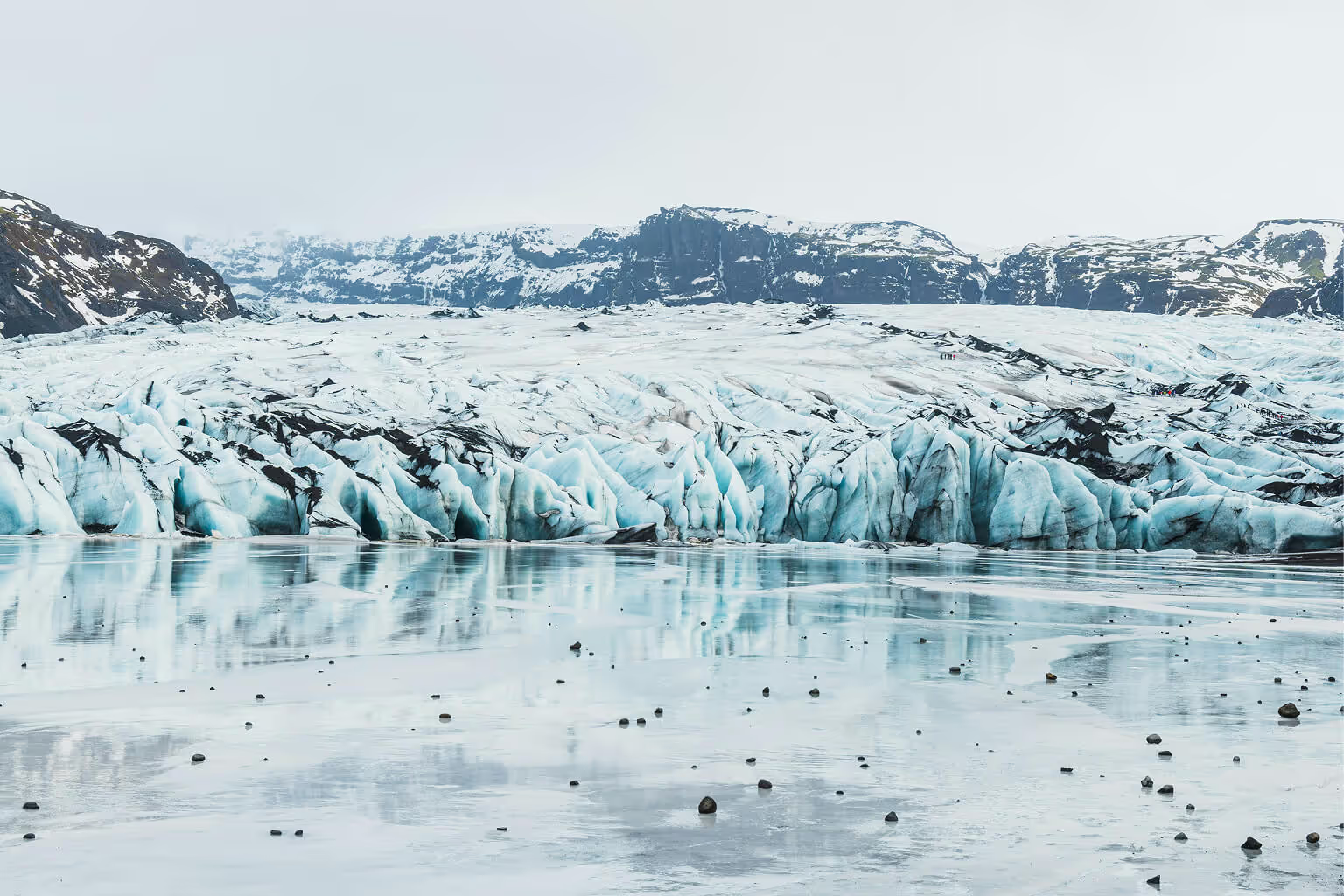
Planning a combined eclipse and glacier experience involves specific considerations beyond typical tourism.
Not all "glacier tours" involve certified guides. Look for internationally recognised hard-ice certification — our guide Ondrej holds AIMG Level 2 and NOLS Wilderness First Responder credentials. During an eclipse, when everyone's attention naturally drifts skyward, having a certified guide watching the ice becomes essential.
You cannot look at the sun during partial phases without certified eclipse glasses (ISO 12312-2 standard). Even on a glacier, this rule applies absolutely. The cold doesn't protect your eyes. The altitude doesn't change the physics.
Bring backup eclipse glasses. Glaciers are windy environments, and a single gust can send unprotected glasses across the ice.
Yes, but barely. Reykjavik sits at the southern edge of the totality path, experiencing only about 50-60 seconds of complete darkness. For the full experience, travel to Snaefellsnes Peninsula or the Westfjords.
This is the biggest risk. With 40% average clear skies in August, cloud cover is likely somewhere along the path. Your best strategy is mobility: stay flexible and be prepared to drive to clearer conditions if needed. Monitor forecasts starting several days before.
For popular locations, arrive 3-4 hours before totality at minimum. Traffic will be severe, and parking will fill quickly. Some experienced eclipse chasers arrive the night before.
During partial phases, you MUST use certified eclipse glasses (ISO 12312-2). Looking at the partially eclipsed sun without protection causes permanent eye damage within seconds. ONLY during totality, when the sun is completely covered, can you safely view the corona with naked eyes.
Eclipse glasses (minimum 2 pairs per person, ISO 12312-2 certified), warm layered clothing (temperatures drop noticeably during totality), rain gear (Iceland weather is unpredictable), charged camera with solar filter, snacks and water, camping chair or blanket, and offline maps (cell networks may be overloaded).
Multiple organized viewing events are planned across Iceland. The Icelandic government and tourist board are coordinating official viewing sites with facilities. Details will be announced closer to the event.
Mark your calendar: August 12, 2026, at 17:45 Icelandic time. The moon's shadow will cross Iceland for approximately two minutes. Then it will be gone, not to return until 2196. Whether you're an experienced eclipse chaser or planning your first totality, Iceland's 2026 eclipse offers a combination of dramatic landscape, accessible location, and reasonable totality duration that few eclipses can match. The window for planning is now. Accommodations are scarce, and awareness of this event continues to grow. Those who prepare will witness one of nature's most profound spectacles. Iceland awaits. The eclipse won't.
Planning an Iceland trip around the eclipse? Pair it with a day on the ice — read our complete guide to the Sólheimajökull glacier hike, or explore the South Coast's waterfalls and black sand beaches on a private South Coast Glacier Expedition. August 2026 dates will book out early.
Ready to secure your spot? For updates and planning resources, bookmark this page. We'll add new information as August 2026 approaches.
BOOK THE AUGUST 12 AFTERNOON GLACIER HIKE →