.svg)

Best Time to Visit Iceland: A Local's Month-by-Month Guide
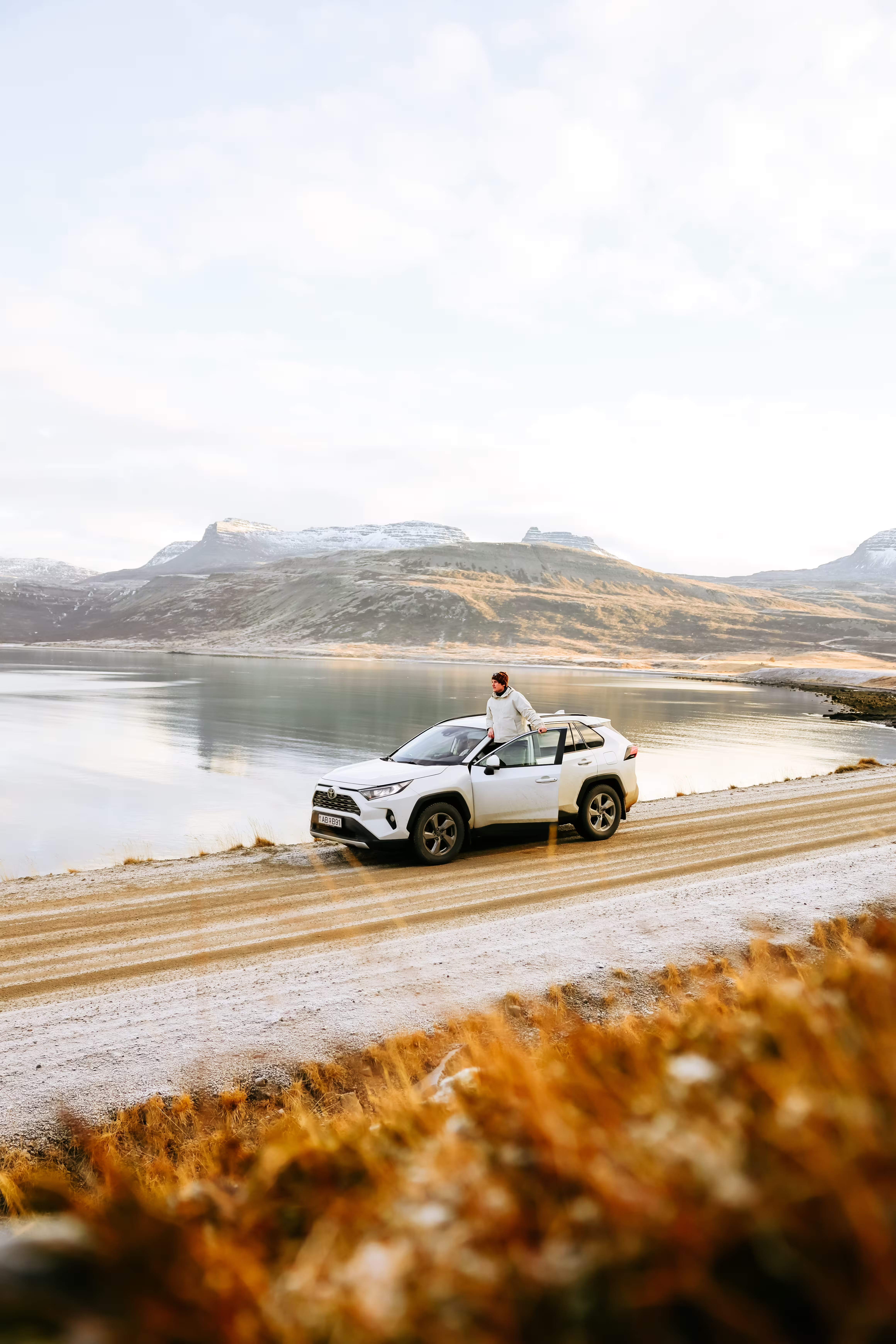
“When should we come?” is the question I get most, and the honest answer is: there's no bad month — only wrong expectations. I live and guide here year-round, so instead of the usual “Iceland is magical anytime”, here's what each season actually gives you, what it costs you, and what I'd pick myself.
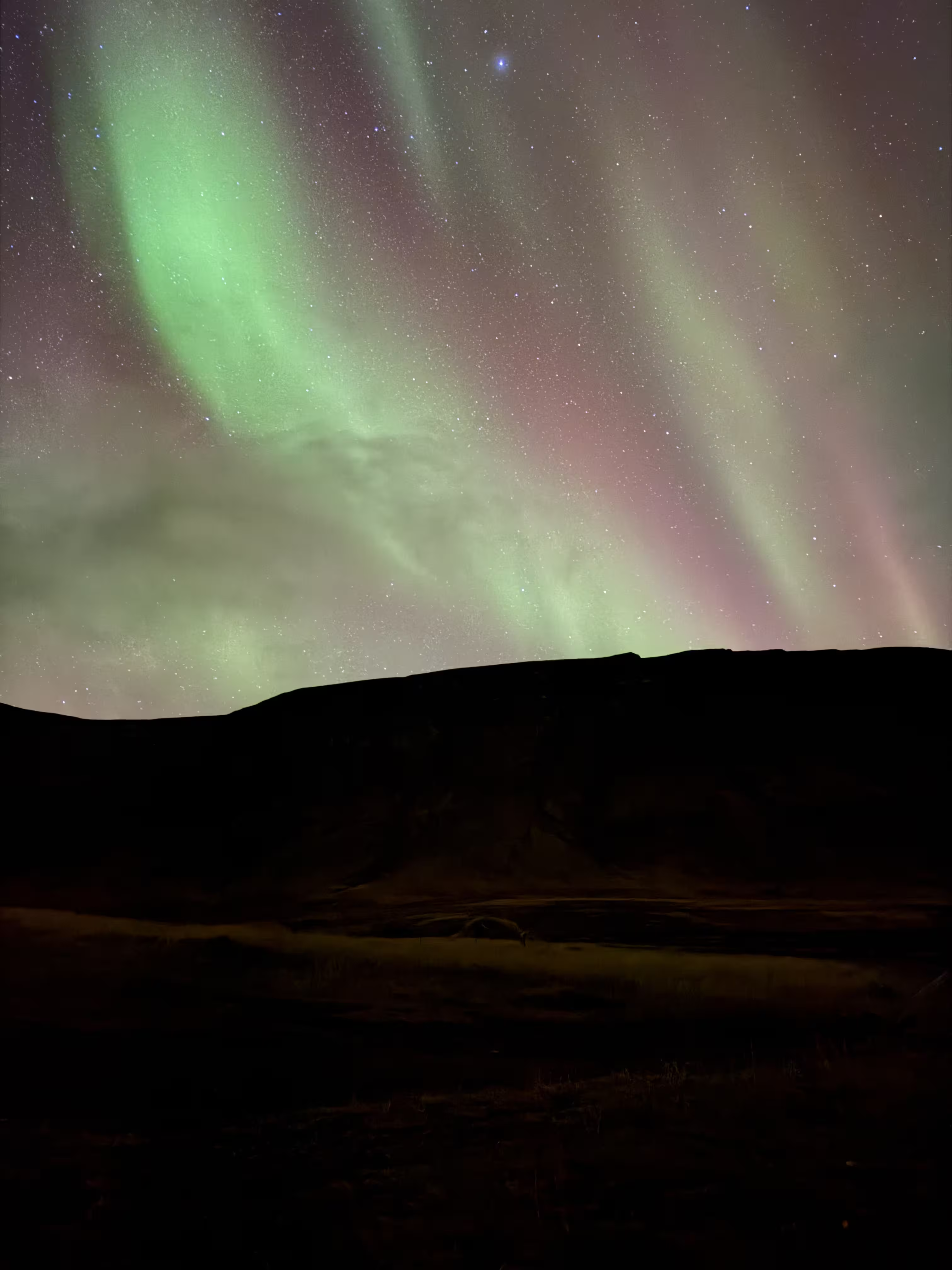
In short: Northern lights: late August to mid-April. Midnight sun: May to July. Puffins: May to August. Ice caves: November to March. Lowest prices and fewest crowds: November and January–March (outside holidays). Glacier hikes: year-round. If you want one “best overall” answer: September.
Summer (June–August): Midnight Sun and Easy Logistics
Around the solstice the sun barely sets — in late June you can stand on a glacier at midnight in full daylight. Highland roads open, puffins nest on the sea cliffs, whale watching peaks, and every trail in the country is accessible. Weather is the mildest of the year: typically 10–15°C, sometimes warmer.
The trade-offs are real, though: this is peak season. Accommodation prices are at their highest, the famous stops on the South Coast get coach-tour crowds around midday, and you need to book tours and hotels well ahead. And one thing surprises almost everyone — no northern lights. The sky simply never gets dark enough.
Winter (November–March): Northern Lights and Blue Ice
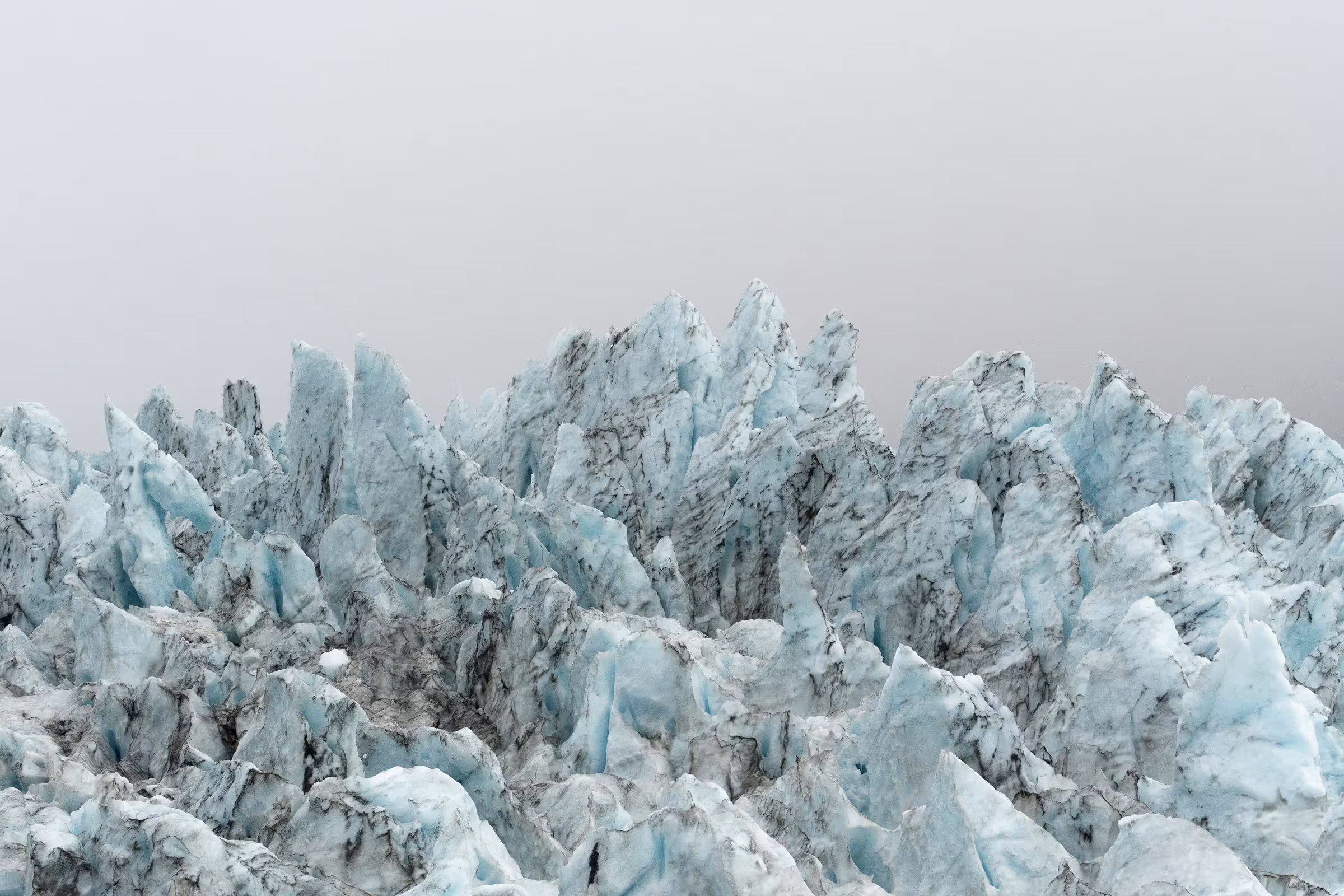
Winter Iceland is a different country: black beaches under snow, frozen waterfalls, 4–7 hours of soft golden daylight, and the aurora dancing on clear nights. This is the only season for natural ice caves, and glacier hikes take on a completely different character — harder ice, deeper blues, no crowds.
The honest downsides: weather can flip from calm to storm in an hour, road closures happen, and the short days force you to plan tightly. It's also the cheapest time to visit outside of Christmas and New Year, when prices spike hard.
Shoulder Seasons (April–May, September–October): The Value Pick
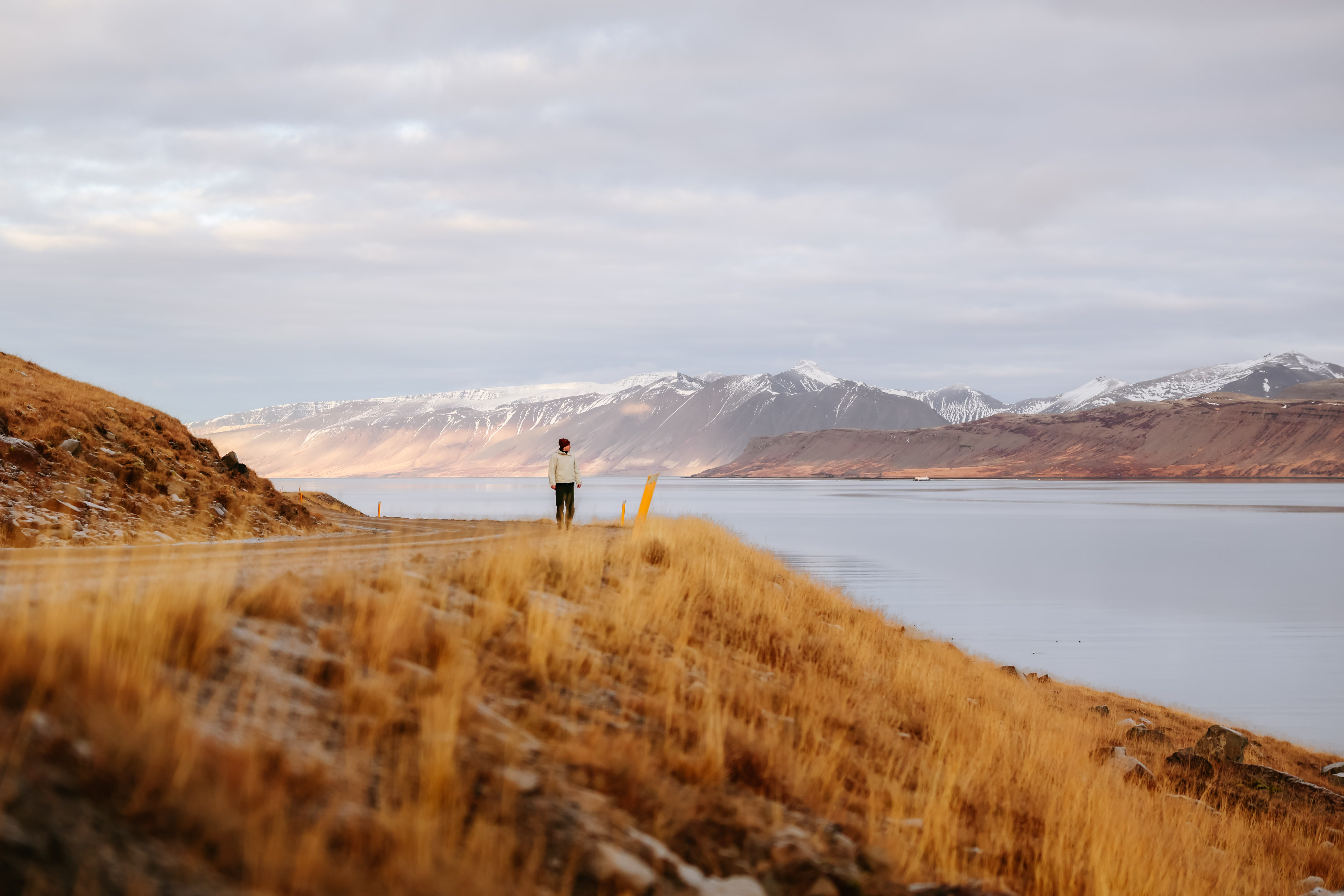
This is what locals recommend when someone asks quietly. You get workable daylight (10–15 hours), prices 20–40% below summer peak, thinner crowds — and in September and October, both green landscapes and northern lights in the same trip. May adds puffins arriving and lupine fields; October adds the first snow dusting on the peaks.
The compromise: weather is less predictable than high summer, and highland routes may be closed. For the classic sights — Golden Circle, South Coast, glacier hikes — none of that matters.