.svg)

What to Wear on a Glacier Hike in Iceland: A Guide's Packing List
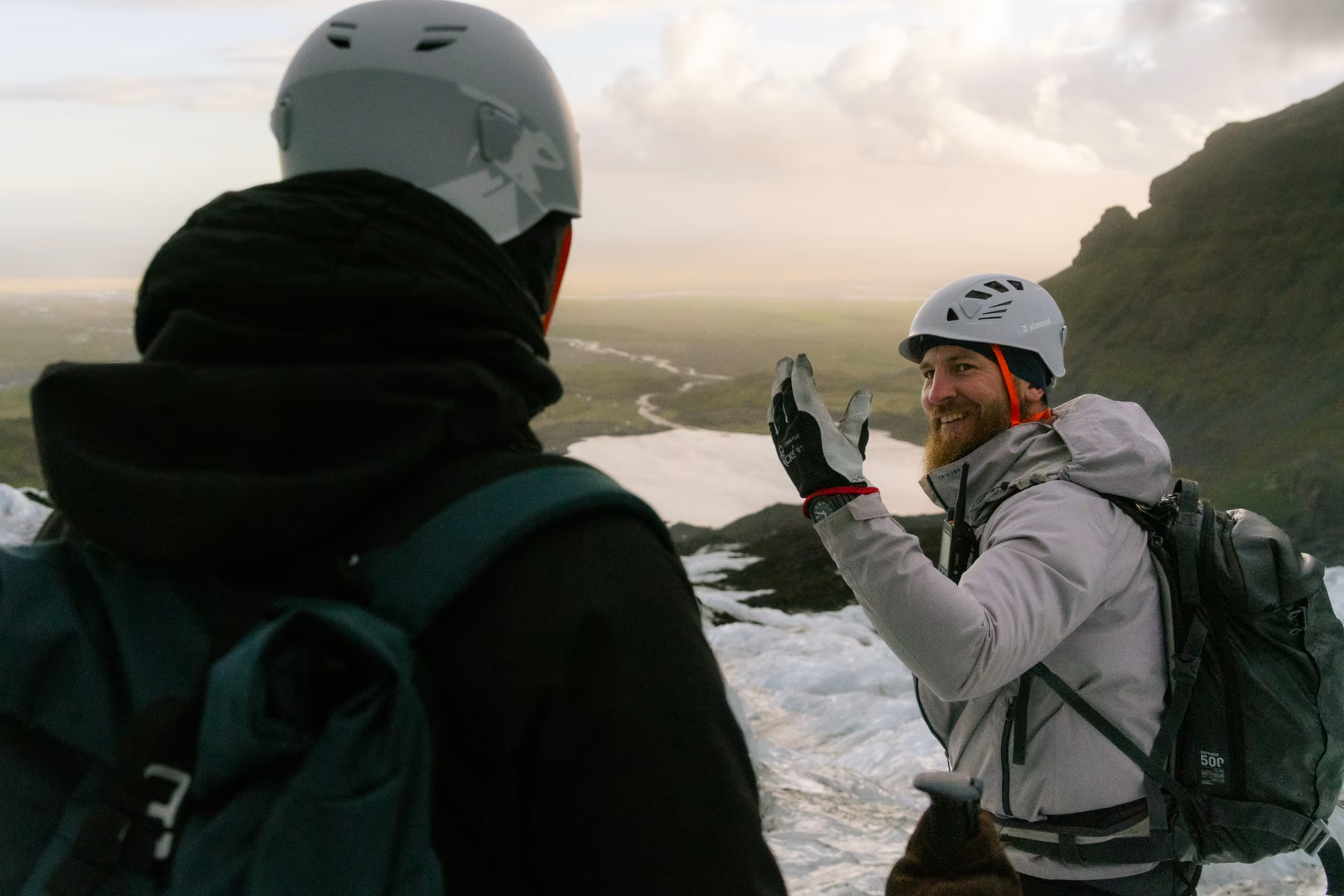
I fit crampons on strangers' boots for a living. After hundreds of glacier hikes on Sólheimajökull, I can tell you the most common reason someone struggles on the ice — and it isn't fitness. It's clothing. This is the packing list I wish every guest read before meeting me at the glacier parking lot.
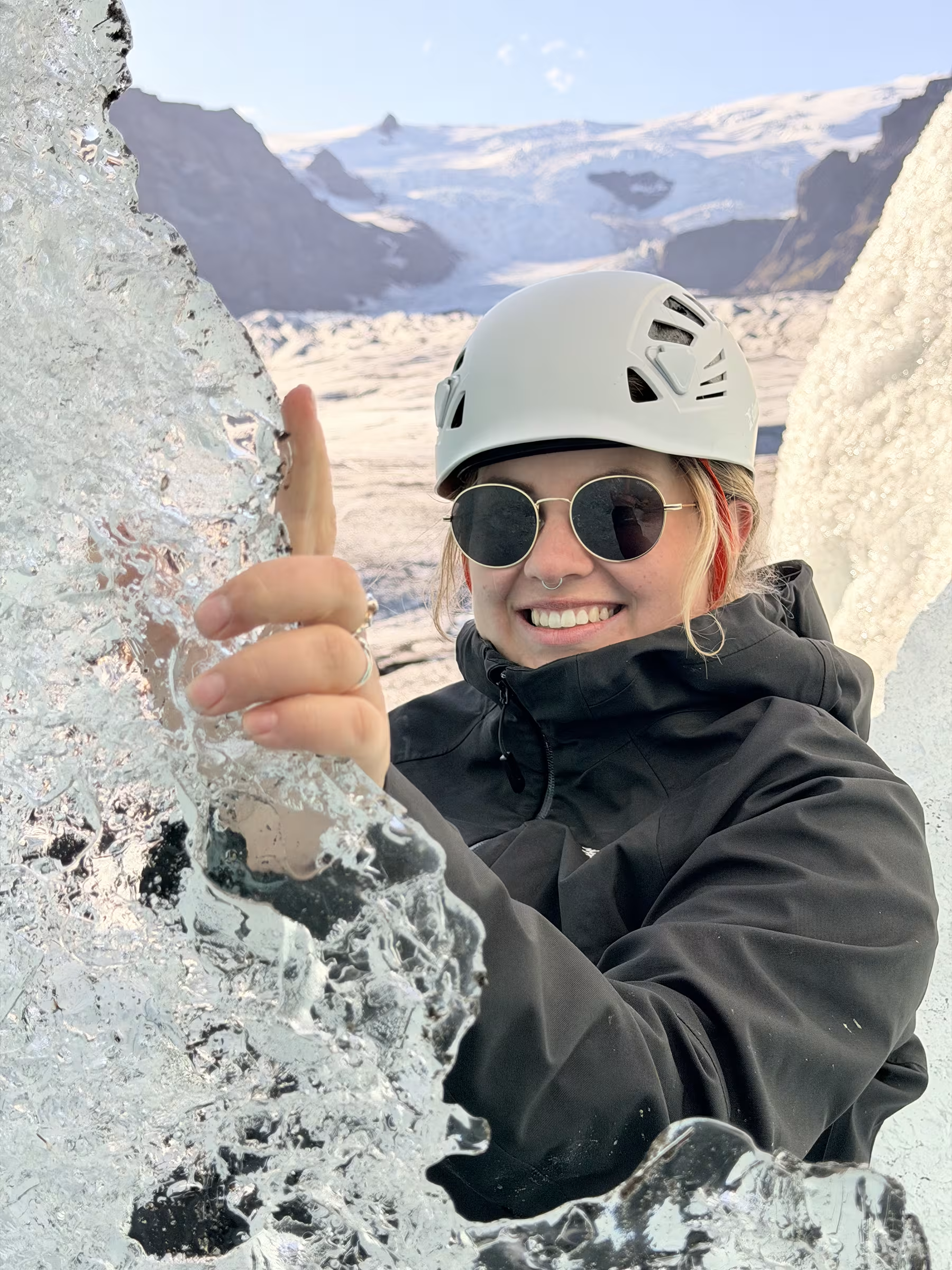
In short: Wear waterproof hiking boots with ankle support, wool or synthetic layers (never cotton, never jeans), a waterproof jacket and pants, plus gloves, a hat and sunglasses. Crampons, helmet and harness are provided by your guide. Dress for a windy autumn day — not for the Arctic.
Why Clothing Matters More on Ice
A glacier makes its own weather. Even in July, the air sitting on the ice is chilled from below and the wind funnels down the glacier tongue, so it's usually 5–10°C colder on the ice than in the parking lot. Add the occasional sideways drizzle and you get the classic Iceland combination: not extremely cold, but relentlessly wet and windy.
The guests who suffer are almost never underdressed — they're wrongly dressed. Soaked cotton, slippery sneakers, or a bulky parka they have to carry after twenty minutes. The goal isn't maximum warmth; it's staying dry, wind-proof and adjustable.
The Layering System That Works
Base layer
Merino wool or synthetic long-sleeve top. Its only job is to move sweat away from your skin. Cotton does the opposite — it soaks, stays wet and pulls heat out of you. That's why guides repeat the mantra: cotton kills comfort.
Mid layer
A fleece or light wool sweater. This is your adjustable warmth — easy to take off and stuff in a backpack when the sun comes out, easy to throw back on when the wind picks up at a crevasse stop.
Outer shell
A waterproof, windproof jacket — and ideally waterproof pants too. In Iceland the shell matters more than insulation. A thin rain shell over two good layers beats a thick dry-climate parka every single time.
Boots: The One Thing That Can End Your Hike
Crampons need something solid to bite onto. That means hiking boots with ankle support and a reasonably stiff sole. Soft sneakers or flat city shoes flex too much — the crampon straps loosen, your ankles roll on uneven ice, and in the worst case I have to turn you around before we even reach the glacier edge.
- Good: waterproof hiking boots, broken in, over-the-ankle height.
- Borderline: low-cut trail shoes with stiff soles — workable in summer, ask us first.
- Not allowed on the ice: sneakers, fashion boots, rubber boots without ankle support.
If you don't own hiking boots, don't buy a pair just for one holiday — rental shops in Reykjavík rent proper boots by the day, and if you message us before your tour we'll point you to one.