.svg)

Golden Circle Iceland: The Complete Guide, by a Local Guide
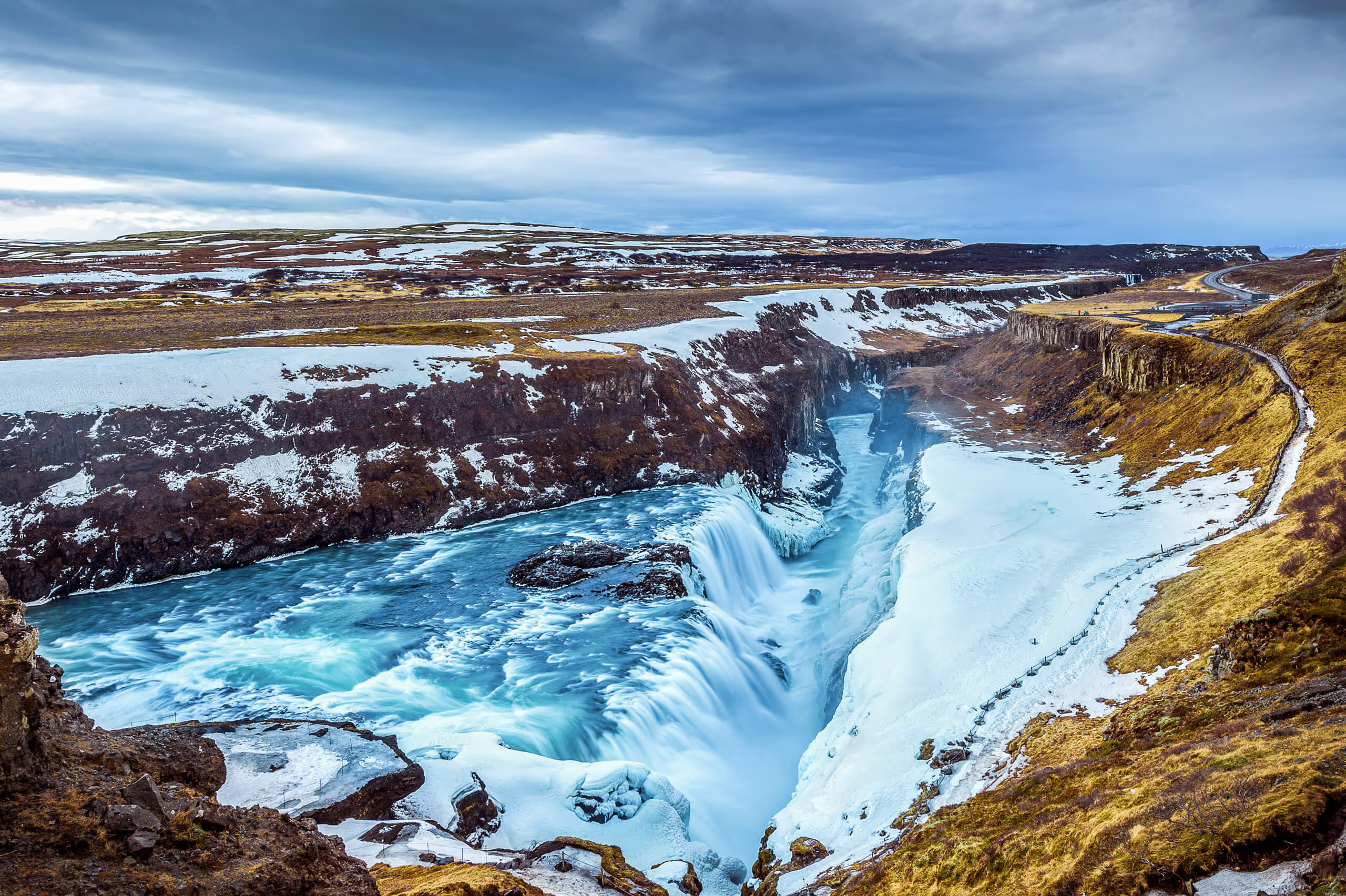
The Golden Circle is the most-driven route in Iceland — and the most misunderstood. Done badly, it's three car parks and a queue of coaches. Done right, it's tectonic plates, an erupting geyser, a two-tier waterfall and the best tomato soup of your life, all in one relaxed day. I guide this loop every week; here's how to do it properly.
In short: The Golden Circle is a ~250 km loop from Reykjavík with three main stops: Þingvellir National Park, the Geysir geothermal area, and Gullfoss waterfall. Count 6–8 hours with stops. Parking: 1,000 ISK at Þingvellir, free at Geysir and Gullfoss. Strokkur erupts every 5–10 minutes. Start early (or late) to dodge the midday coach wave. Doable year-round.
What Is the Golden Circle?
It's not an official park or a single place — just the nickname for the classic loop east of Reykjavík connecting three natural landmarks. Because everything is close together on good paved roads, it became Iceland's signature day trip. That's also its curse: around midday, every stop gets hit by the same wave of tour coaches. The whole game is timing.
Stop 1: Þingvellir — Walking Between Two Continents
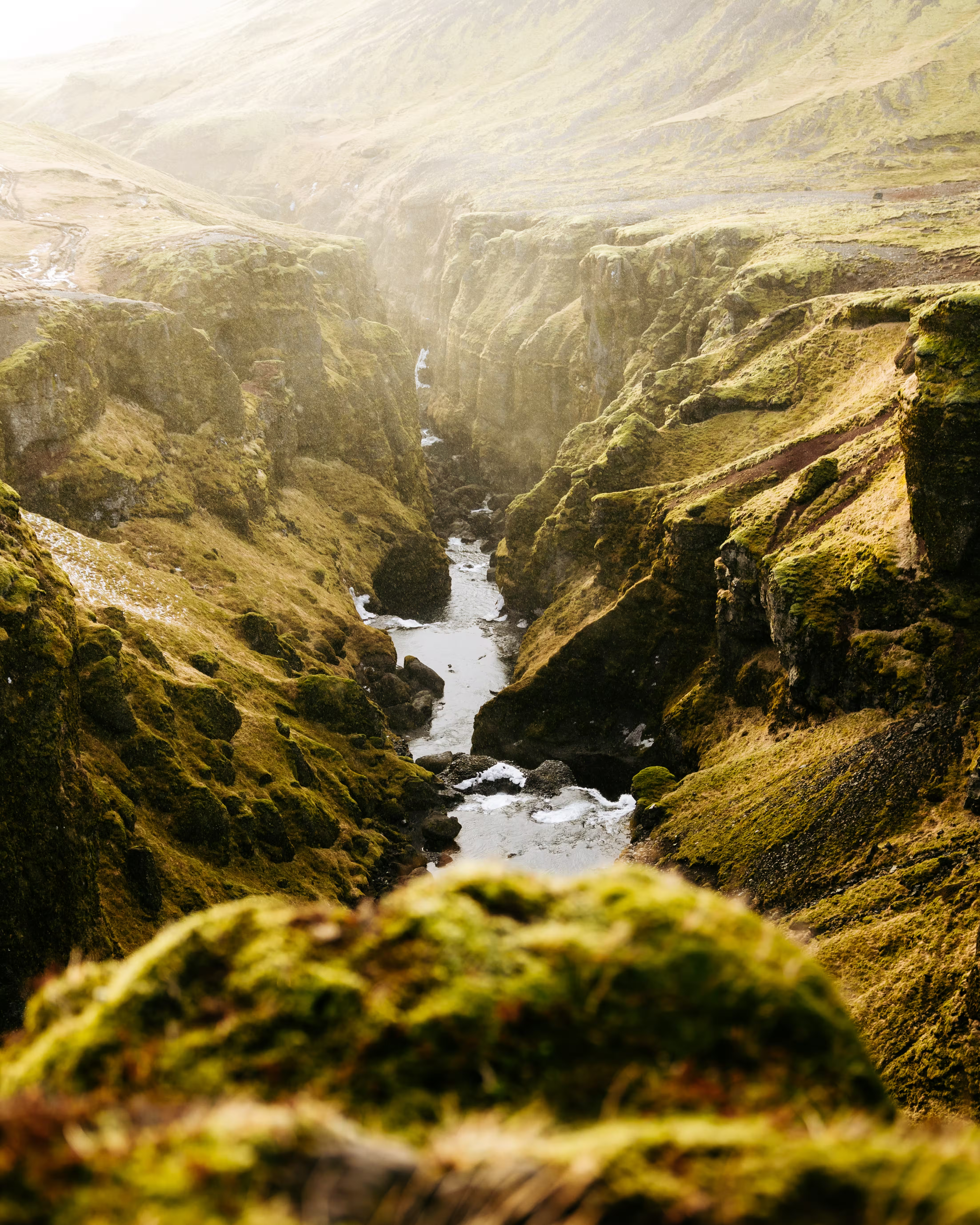
Þingvellir is a UNESCO World Heritage site twice over. Geologically, it's the rift valley where the North American and Eurasian tectonic plates pull apart — you literally walk in the crack between continents in the Almannagjá gorge. Historically, it's where Icelanders founded the Alþingi around 930 AD — one of the world's oldest parliaments.
Don't miss Öxarárfoss, the waterfall tumbling into the rift, and the viewpoint above the visitor centre. If you have extra time (and budget), the Silfra fissure here offers snorkelling between the plates in gin-clear glacial water.
Practical: parking costs 1,000 ISK for a standard car and one payment covers all the main lots for the day. Allow 1–1.5 hours.
Stop 2: Geysir — the One That Named Them All
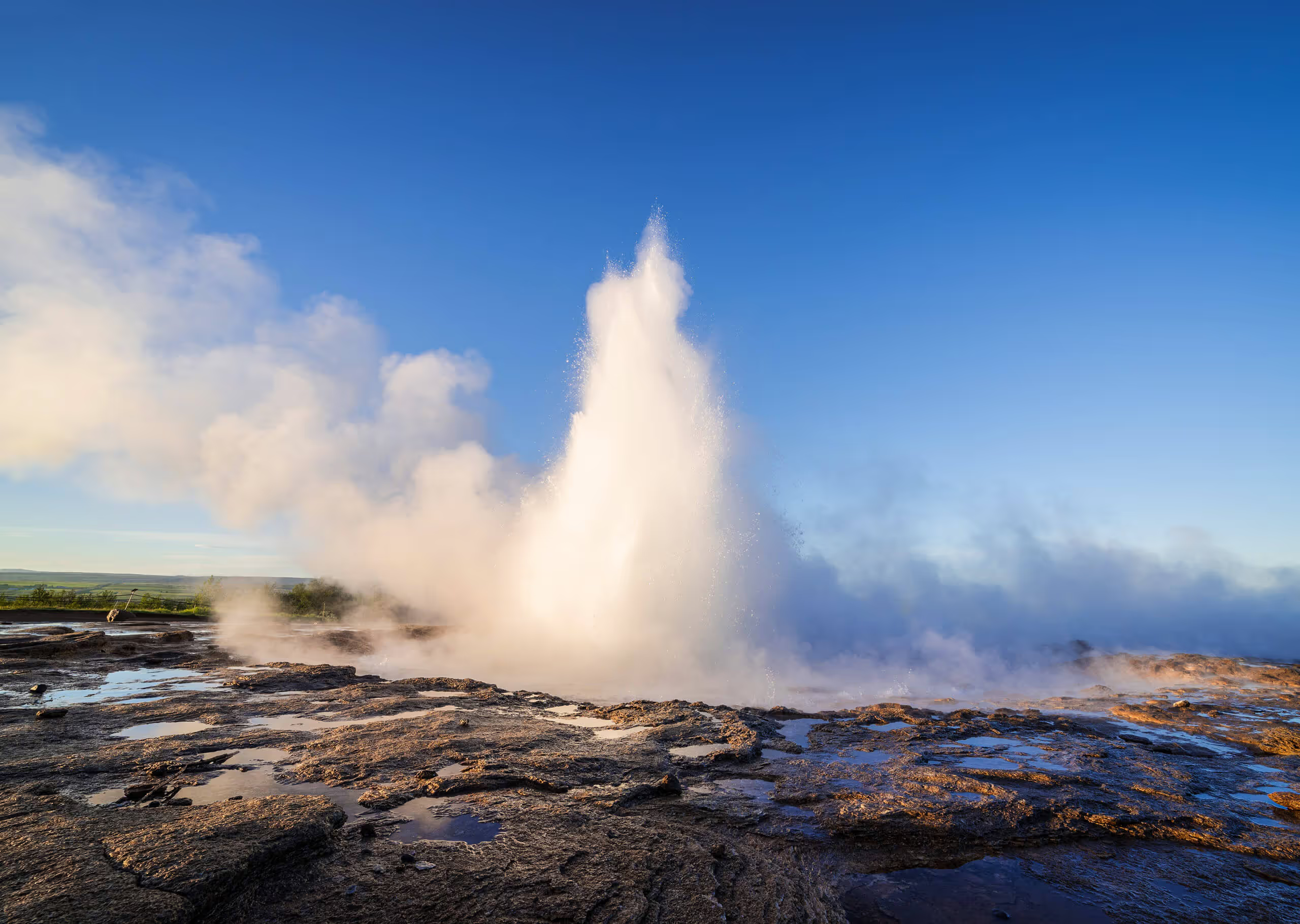
The English word “geyser” comes from this exact field. The Great Geysir itself is mostly dormant, but its neighbour Strokkur erupts every 5–10 minutes, throwing water 15–30 metres up. Stand upwind, have your camera ready, and give it two or three eruptions — every one is different.
Entry and parking are free. Stay on the paths: the pools around you are near-boiling, and every year someone tests that the hard way. Allow 45 minutes to an hour.