Reason 2: The Country Changes Colour
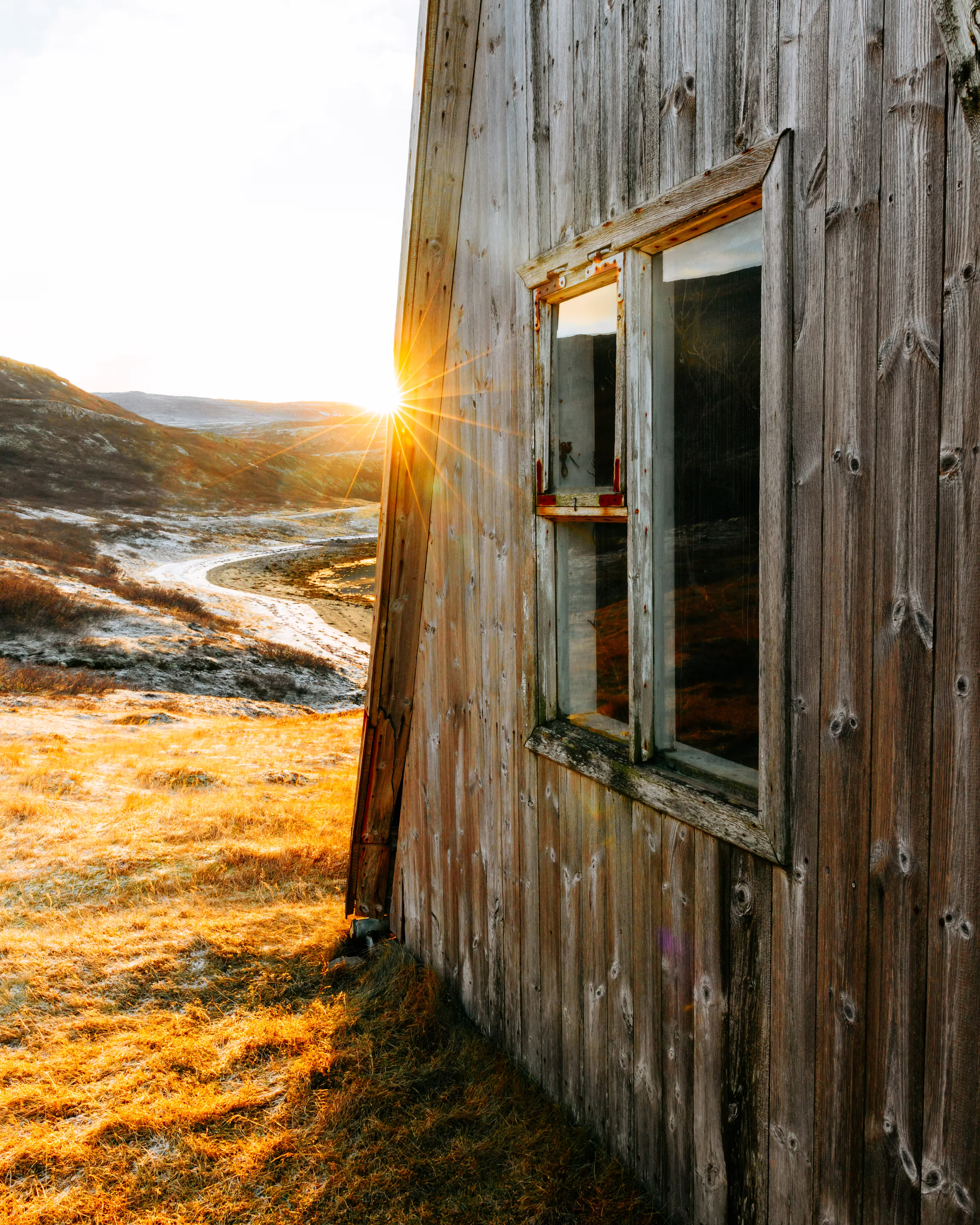
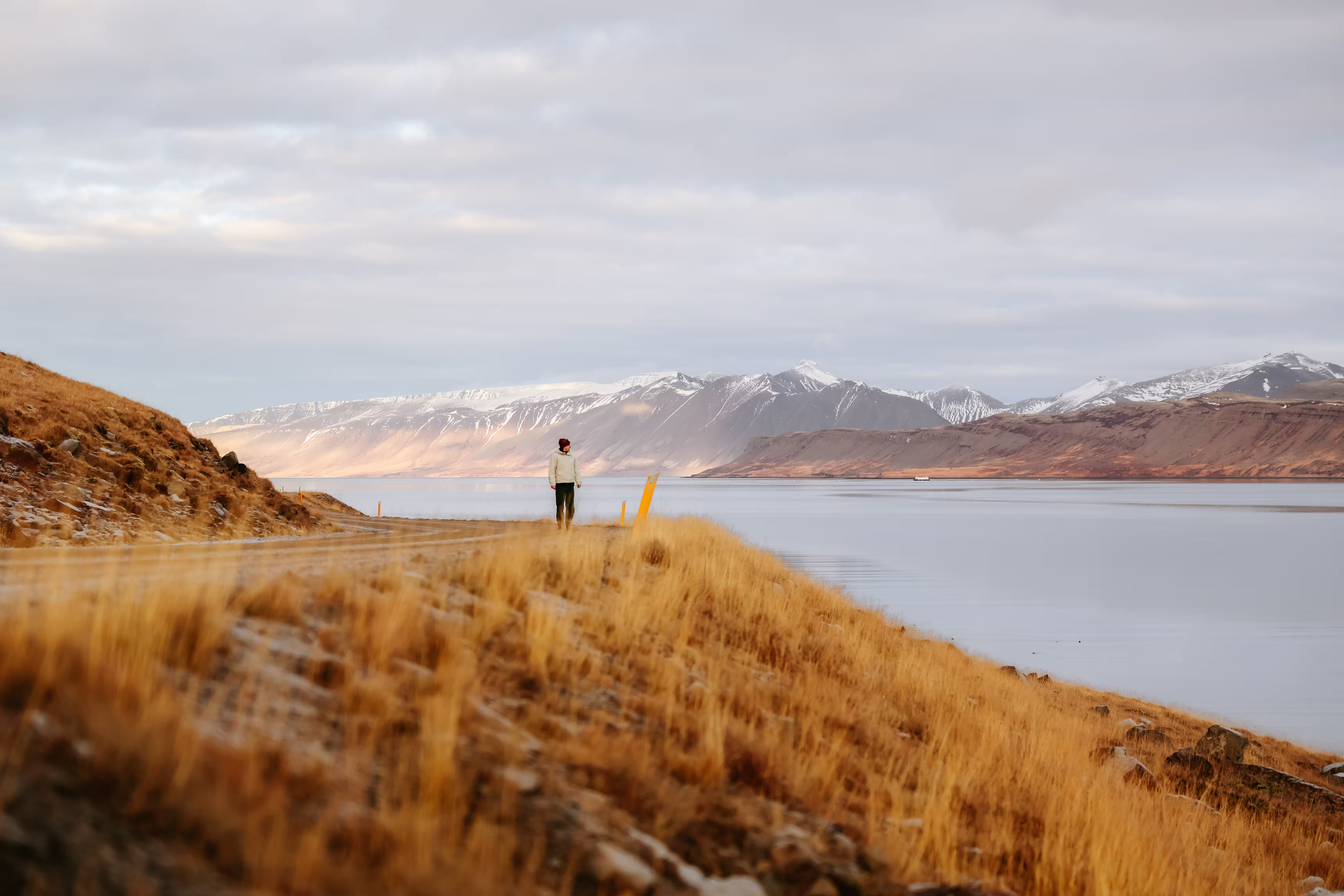
Iceland has few trees, so the autumn colour does not come from forests — it comes from the ground itself. Dwarf birch, willow, heath and blueberry scrub turn the hillsides rust, ochre and deep red, and because the vegetation is low, entire valleys change colour at once. The effect peaks around late September.
One local detail worth knowing: the strongest reds need warm days and cold nights, so they show up inland rather than on the coast. Þingvellir colours far more dramatically than Reykjavík does. Þórsmörk, Hallormsstaðaskógur in the east and Ásbyrgi in the north are the classic spots — but honestly, driving the South Coast in the last week of September is enough.
Reason 3: A Third Fewer People
This is not a vague claim about “shoulder season” — the official numbers are stark. Measured against the August peak, foreign departures through Keflavík fall by 28% in September, 36% in October and 55% in November. Hotel occupancy in the capital region drops from 92% in August to 69% in November.
What that means on the ground: you can park at Skógafoss without circling the lot, stand at Reynisfjara without being in someone's photograph, and walk on a glacier with the ice largely to yourselves. The famous places are the same places — there are simply fewer people standing in them.
Reason 4: It Costs Noticeably Less
Iceland is expensive. Autumn softens that, and here are the actual figures rather than adjectives. Against the August peak, the official accommodation price index falls 24% by October and 35% by November. Air fares drop roughly a quarter from the July peak. Car rental follows the same curve — August is comfortably the most expensive month of the year.
One honest exception: restaurants do not get cheaper. Eating out costs about the same in November as in August — Icelandic restaurant prices simply are not seasonal. Budget for that and let the savings come from flights, beds and cars.
Reason 5: Nothing Important Closes
This is where I can save you a disappointment I see every autumn. Visitors arrive expecting the famous blue ice caves — and those are genuinely seasonal, forming from roughly November through March. If you come in September for an ice cave, you will be told no.
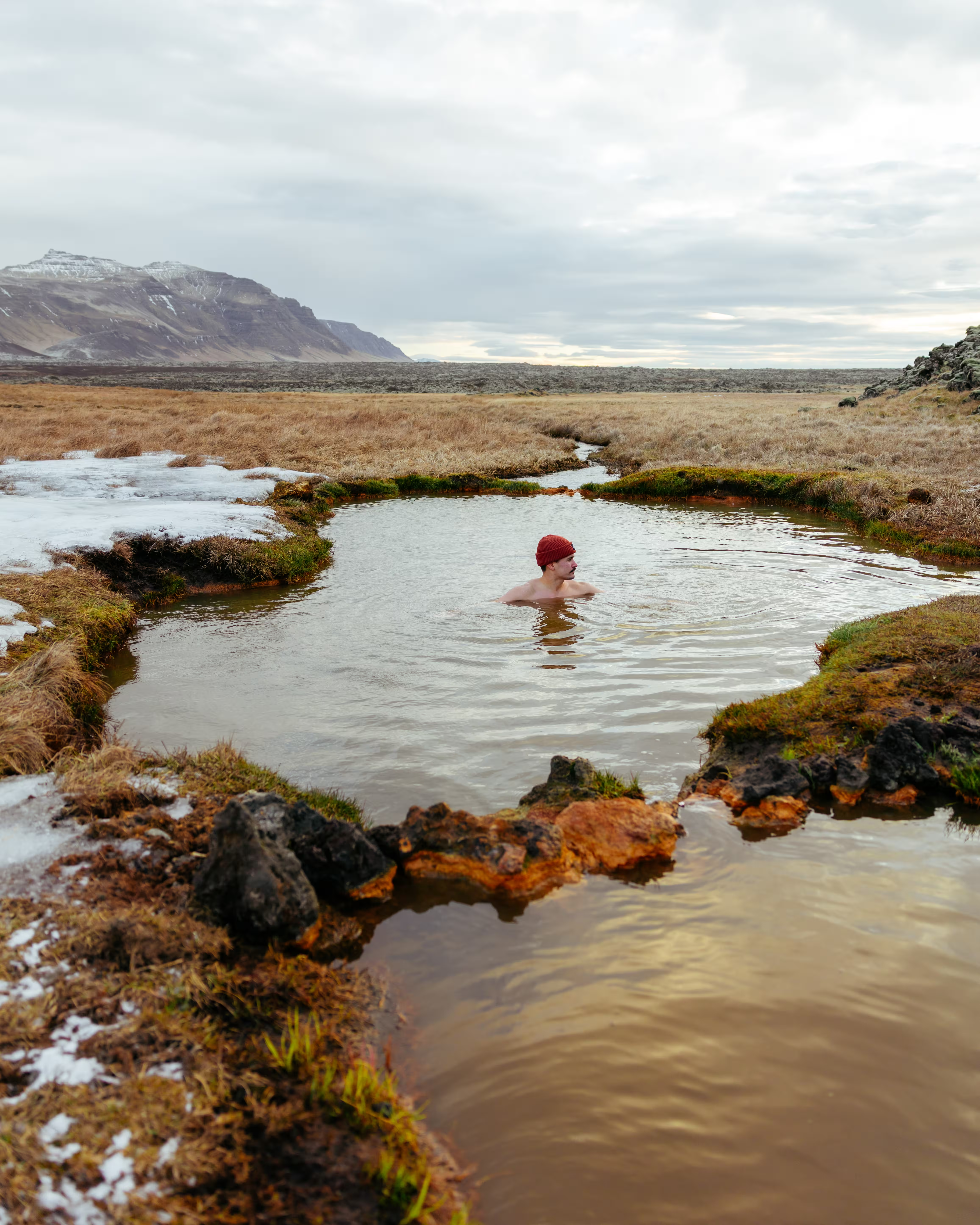
Glacier hikes are different: they run all year. The ice does not take a holiday. Autumn is arguably the better time for it — the summer queues are gone, the light is low and golden, and the ice is beginning to firm up again after the melt season. Waterfalls run fuller than in late summer, geothermal pools are more inviting in cool air, and whale watching from Reykjavík continues year-round.
What does wind down: puffins leave by the end of August (the last pufflings fledge in September), the highland F-roads close as the snow arrives, and some mountain hiking trails become genuinely unwise without a guide.
September vs October vs November
The three months are not interchangeable. Pick by what you actually want:
- September — the best all-rounder. Around 11–14 hours of daylight, mildest temperatures (11.5 °C average high), autumn colours peaking late in the month, aurora from the first week, highland access still possible early on. The busiest of the three, and the priciest.
- October — the sweet spot for value. Daylight falls from 11 to 8 hours, so you get proper dark nights for aurora while still having usable days. Prices are down about a quarter, crowds down a third. My pick if the northern lights are the priority.
- November — the quiet month. Only 5–8 hours of daylight and the highest chance of winter weather, but the cheapest prices of the year, the longest aurora windows, and ice caves opening at the end of it.
Weather and Daylight: What to Actually Expect
Reykjavík averages, so you can plan properly:
- September — 11.5 °C / 52.6 °F high, 6.3 °C / 43.3 °F low, 87 mm of rain. Daylight 14h33m on 1 September, 11h27m by the 30th.
- October — 7.6 °C / 45.6 °F high, 2.7 °C / 36.8 °F low, 80 mm of rain. Daylight 11h20m to 8h06m.
- November — 4.7 °C / 40.4 °F high, −0.1 °C / 31.9 °F low, 87 mm of rain. Daylight 8h to just 5h06m.
Two things those numbers hide. First, Iceland loses about six and a half minutes of daylight every single day through autumn — a trip in early September and one in late October are different holidays. Second, the South Coast is roughly three times wetter than Reykjavík: Vík averages around 265 mm in September against Reykjavík's 87 mm. Waterproofs are not optional. Wind matters more than temperature here, so a windproof shell beats a thick jumper every time — our layering guide covers the details.
Driving in Iceland in Autumn
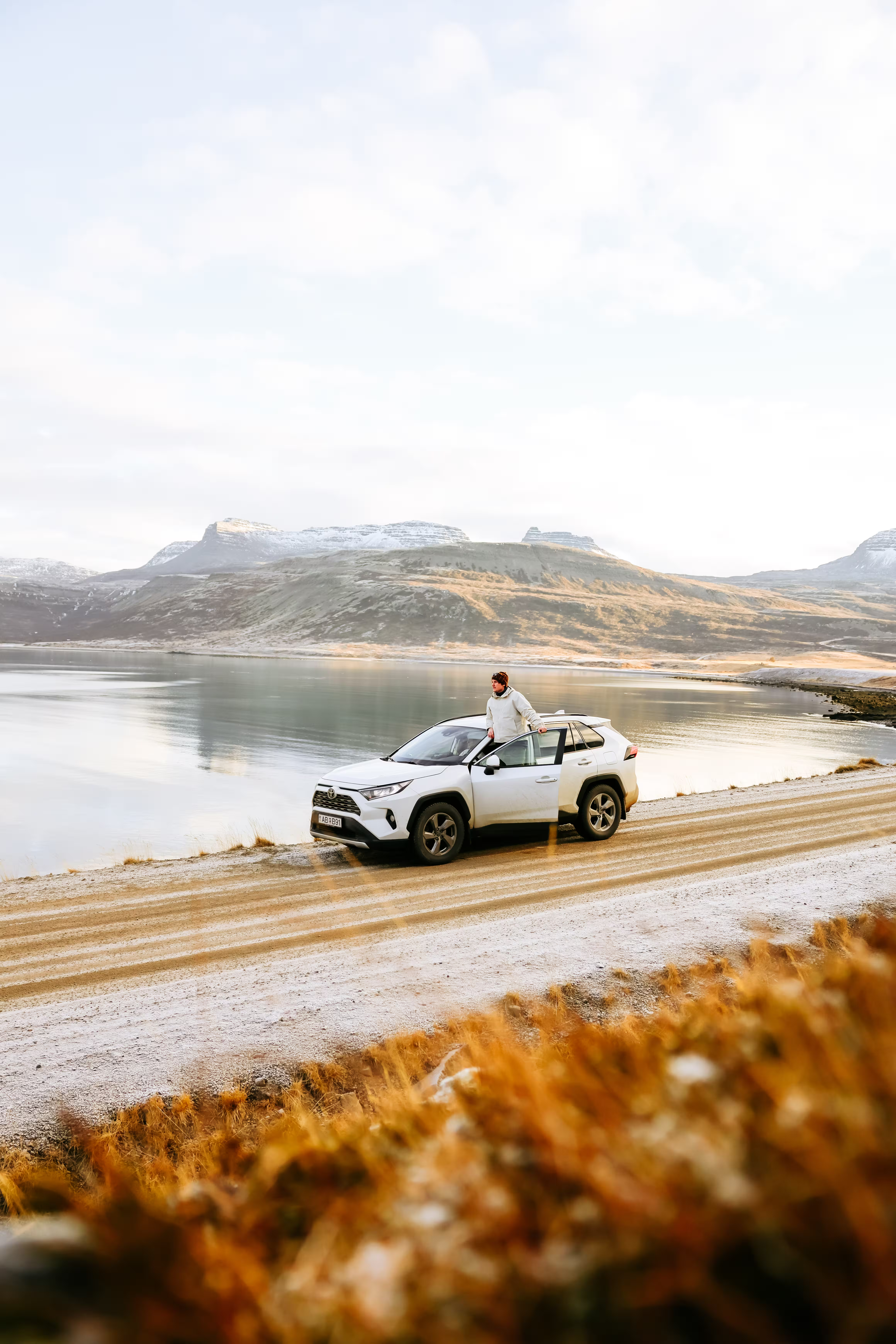
The Ring Road and the South Coast stay open and are perfectly drivable in a 2WD car in September and October. What changes is the highlands: the F-roads close as soon as snow and mud make them impassable. There is no published closing date — the Road Administration decides on conditions, and the live status is at umferdin.is. In practice, plan highland trips for early September at the latest and have a backup.
On tyres, ignore the internet's confident claims. Icelandic law does not simply mandate winter tyres on a date. What it requires is a minimum tread depth of 3.0 mm from 1 November to 14 April (1.6 mm the rest of the year), and appropriate grip equipment when there is snow or ice. Studded tyres are permitted from 1 November to 14 April. Check what your rental company has fitted, and check vedur.is for wind warnings before every driving day — wind, not ice, is what ends most autumn drives badly.
What to Pack
- A genuinely waterproof and windproof shell jacket — the single most important item.
- Waterproof trousers. You will feel silly buying them and grateful wearing them.
- Warm mid-layer (fleece or light down) and a merino base layer. No cotton.
- Waterproof walking boots with ankle support.
- Hat, gloves, buff — small, light, transform a cold day.
- Swimwear and a quick-dry towel for the hot pools.
- An eye mask is unnecessary now — but a head torch is genuinely useful.
Frequently Asked Questions
Is Iceland worth visiting in autumn?
Yes — arguably it is the best-value time of year. You get the northern lights, autumn colours, a third fewer people and noticeably lower prices, while every major sight and glacier hike still operates. The trade-off is shorter days and wetter weather.
Can you see the northern lights in Iceland in September?
Yes. True darkness returns to Reykjavík around 3 September, and the aurora season runs from then until mid-April. Early September nights are shorter, so your viewing window is narrower than in October or November.
Is September or October better in Iceland?
September for warmer weather, longer days and autumn colours. October for darker skies, lower prices and fewer people. If the aurora is your main reason for coming, choose October.
What is the weather like in Iceland in October?
Reykjavík averages a high of 7.6 °C (45.6 °F) and a low of 2.7 °C (36.8 °F), with around 80 mm of rain across the month. Expect wind and fast-changing conditions rather than deep cold.
Can you do glacier hikes in Iceland in autumn?
Yes — glacier hiking runs year-round, and autumn is one of the best times for it: fewer people on the ice and beautiful low light. Natural ice caves are the seasonal exception, forming roughly November to March.
Do I need a 4x4 in Iceland in the autumn?
Not for the Ring Road, South Coast or Golden Circle in September and October — a 2WD is fine. You need a 4x4 only for F-roads, and those close early in autumn anyway. From November, a car with proper winter tyres matters more than four-wheel drive.
Are there still puffins in Iceland in September?
Essentially no. Adult puffins head out to sea by the end of August. The exception is the puffling season in Vestmannaeyjar, where late chicks fledge into September.
How many days do I need to see the northern lights?
Plan at least four nights, ideally five. The aurora depends on clear skies as much as solar activity, and Icelandic weather rarely gives you four identical nights in a row.
See the autumn side of Iceland with a local guide
Glacier hikes running all season, South Coast and Golden Circle days without the summer crowds, and someone who watches the aurora forecast so you do not have to. Tours in English, Czech, Slovak or Polish.
BOOK A TOUR →


.svg)